Salvadoran President Nayib Bukele’s Indefinite Reelection: Implications and Insights
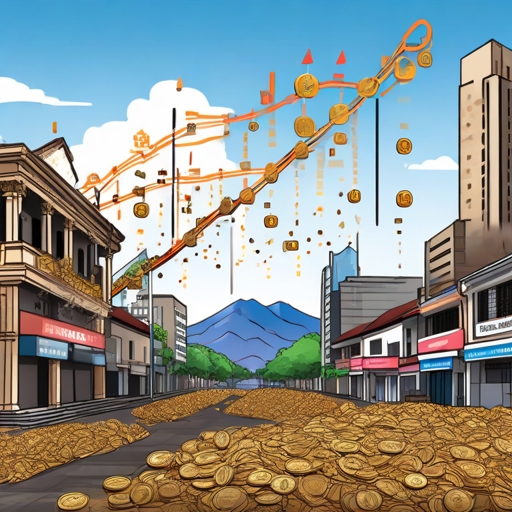
In a significant shift for El Salvador’s political landscape, President Nayib Bukele now has the opportunity to run for reelection indefinitely. This development raises questions about the future of democracy in the country, the potential economic impacts, and the role of cryptocurrency in Bukele’s governance. This article delves into these aspects, offering insights and data-driven analysis on what this means for El Salvador and its citizens.
Thank you for reading this post, don't forget to subscribe!The Road to Indefinite Reelection
The Legislative Decision and Its Rationale
El Salvador’s legislative assembly recently approved a controversial measure allowing President Nayib Bukele to run for reelection indefinitely. This decision marks a departure from the traditional democratic norms in Latin America, where term limits are often seen as a safeguard against authoritarianism. The ruling party, Nuevas Ideas, argues that this change reflects the will of the people, citing Bukele’s high approval ratings and the need for political stability.
Historical Context: A Shift from Tradition
Historically, El Salvador has adhered to a single-term presidency, a practice rooted in the country’s 1983 constitution. This framework was designed to prevent the concentration of power and ensure a healthy rotation of leadership. However, Bukele’s administration has pushed for constitutional reforms, arguing that the existing term limits hinder effective governance. Critics, however, see this move as a potential step towards authoritarianism, reminiscent of other Latin American leaders who have extended their rule through legal reforms.
Economic Implications of Indefinite Reelection
Investor Confidence and Market Reactions
The prospect of Nayib Bukele’s indefinite reelection has stirred mixed reactions in financial markets. On one hand, Bukele’s pro-business policies and embrace of Bitcoin have attracted international attention and investment. On the other hand, concerns about democratic backsliding may deter some investors. Historical data from countries with similar political shifts suggest that initial economic gains may be followed by long-term instability if governance issues arise.
The Role of Bitcoin in Bukele’s Economic Strategy
President Bukele’s administration has been at the forefront of integrating Bitcoin into El Salvador’s economy, making it the first country to adopt the cryptocurrency as legal tender. This move aims to attract crypto investors and boost financial inclusion. However, the volatility of Bitcoin poses risks, and Bukele’s indefinite reelection could influence the cryptocurrency’s role in El Salvador. If political stability is perceived to be at risk, it could impact Bitcoin’s adoption and the broader economic strategy.
Political Dynamics and Public Perception
Public Opinion: Support and Skepticism
Nayib Bukele enjoys substantial support among Salvadorans, with approval ratings often exceeding 80%. His administration’s focus on reducing crime, improving public services, and embracing technology resonates with many citizens. However, there is also a significant portion of the population and international observers who express concern over the erosion of democratic norms. The indefinite reelection could polarize public opinion further, impacting social cohesion and political discourse.
International Reactions and Diplomatic Relations
The international community has expressed varying degrees of concern over Bukele’s indefinite reelection. Organizations advocating for democracy and human rights have criticized the move, while some governments remain cautious in their responses. El Salvador’s diplomatic relations, particularly with the United States and other Western nations, could be strained if perceived democratic backsliding continues.
Potential Scenarios and Future Outlook
Scenarios for El Salvador’s Political Future
Several scenarios could unfold as a result of Bukele’s indefinite reelection:
- Continued Popularity and Stability: Bukele maintains high approval ratings, and his policies lead to economic growth and stability.
- Increased Authoritarianism: Democratic institutions weaken, leading to increased centralization of power and potential unrest.
- Economic Volatility: Bitcoin’s volatility and potential governance issues lead to economic challenges.
Strategies for Citizens and Investors
For Salvadoran citizens, staying informed and engaged in political processes is crucial. Advocacy for transparent governance and accountability can help safeguard democratic norms. Investors, meanwhile, should monitor political developments closely and consider diversifying investments to mitigate risks associated with potential instability.
Key Takeaways
Nayib Bukele’s indefinite reelection presents both opportunities and challenges for El Salvador. While it could lead to continued economic growth and political stability, there are significant risks of democratic erosion and economic volatility. Understanding these dynamics is essential for citizens, investors, and international observers alike.
Want more insights like this? Subscribe for our weekly reports.